Corn Stover
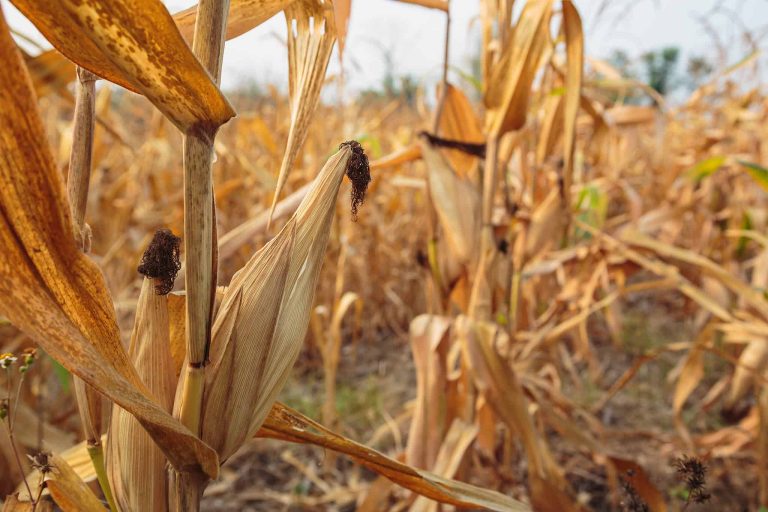
Corn stover is the most common crop for bioenergy research. Corn stover, an agricultural by-product, consists of the leaves and stalks of corn plants left in a field after harvest. It can be harvested with a single piece of equipment for both cutting and baling (single pass), or use a double-pass method that first cuts and drops the stover in windrows in the field and then picks up and bales the windrowed stover, typically introducing more ash from soil.
Corn Stover PDF (Single Pass) (Revised 11-28-2016)
Corn Stover PDF (Multi Pass) (Revised 11-28-2016)
Corn Stover PDF (Ensiled Pass) (Revised 11-29-2016)
Switchgrass
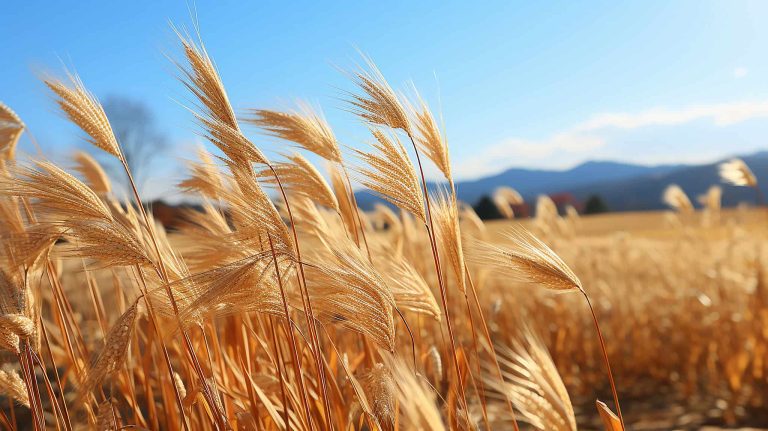
Switchgrass is a native warm-season perennial grass that can thrive in a variety of climatic conditions and soil types. It can be grown on land that is not suitable for row crop production in either conventional tillage or no-till production systems.
Switchgrass PDF (Revised 11-28-2016)
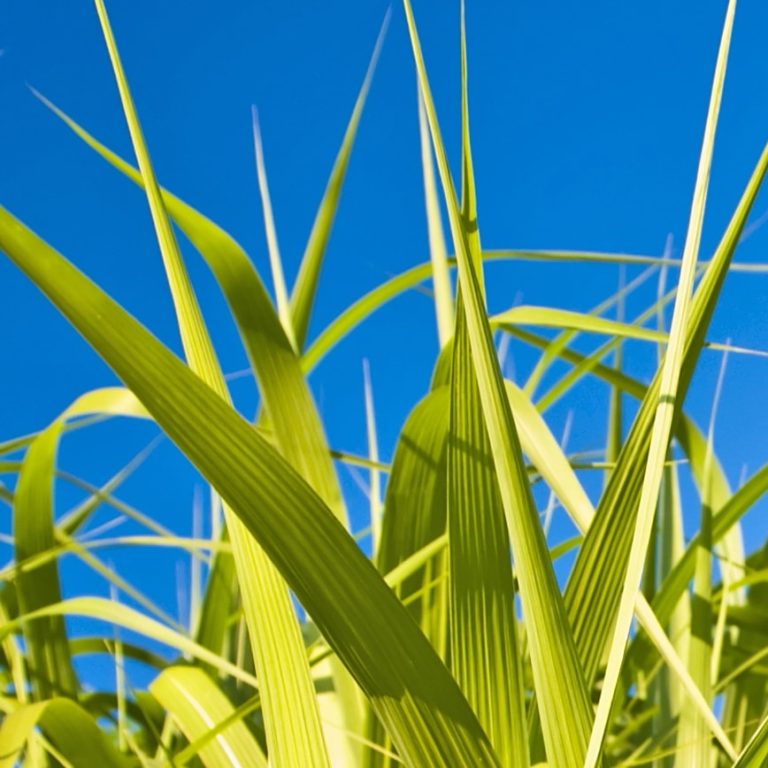
Miscanthus
Miscanthus (commonly known as Elephant Grass) is a tall perennial grass that resembles bamboo. It is easy to grow, requires few nutrient inputs, and produces a crop with a high biomass yield and low mineral content. Miscanthus can be grown on lands not suitable for row-crop production.
Miscanthus PDF (Revised 07-10-2019)
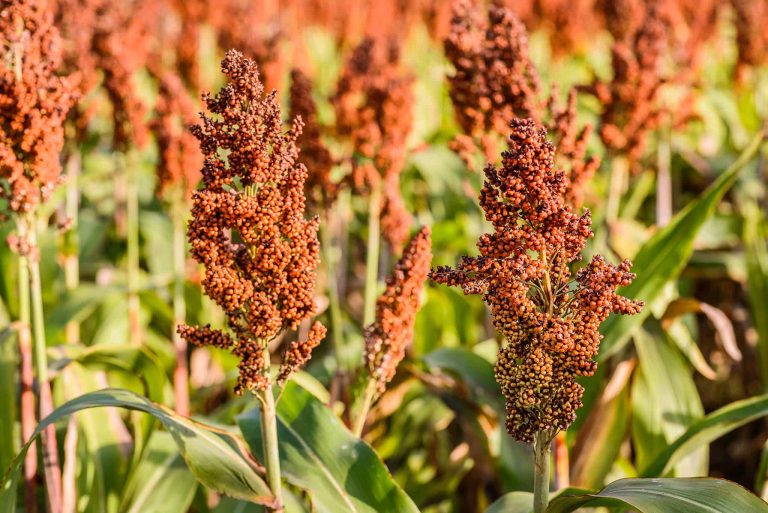
Sorghum
Sorghum is a cereal grain that grows tall like corn and can be produced as a quick-growing annual. High-biomass sorghum uses water and nutrient inputs efficiently, is drought resistant, has robust establishment characteristics, and can be produced on lands considered marginal for other crops.
Sorghum PDF (Revised 11-28-2016)
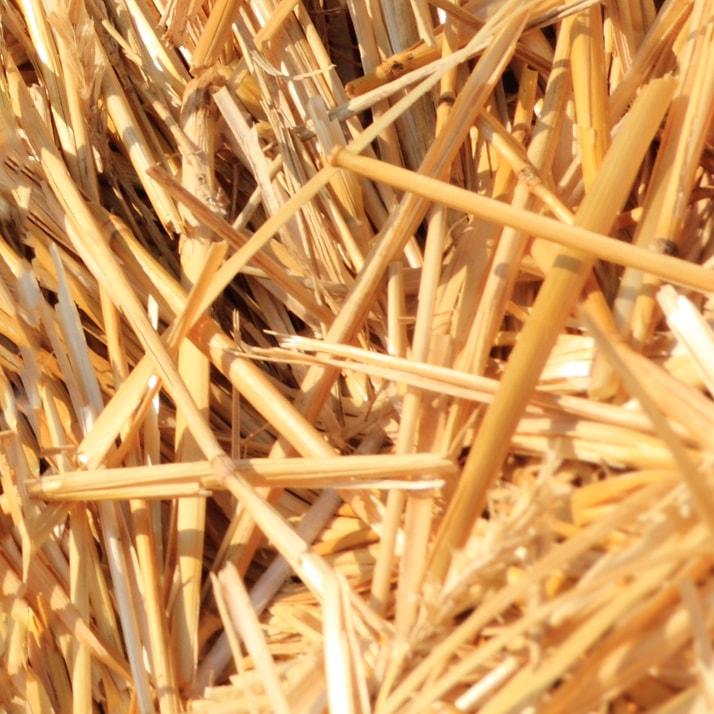
Wheat Straw
Wheat straw, an agricultural by-product, consists of the dry stalks that remain after the grain and chaff have been removed. It's use as a large-scale biomass power source is increasing in many parts of the world.
Wheat Straw PDF (Revised 11-28-2016)
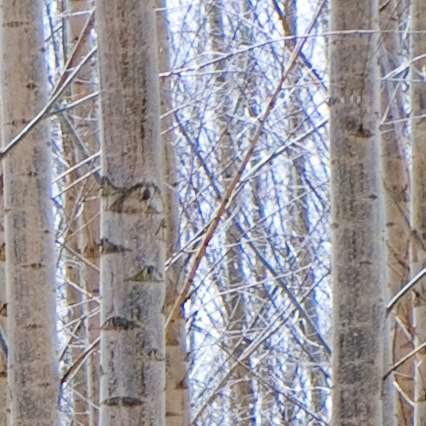
Hybrid Poplar
Poplars grow fairly well in the northern, central, and southern United States. Extensive genomic resources and ease of clonal propagation and transformation, will allow the generation of advanced transgenic clones with enhanced traits.
Hybrid Poplar PDF (Revised 1-8-2018)

Lodge Pole Pine
Lodgepole pine is a highly adaptable tree that can grow in many environments, from water-logged bogs to dry sandy soils. Pine is being primarily grown for sawtimber and pulpwood, but they have great potential as an energy crop or in management regimes that produce biomass and other products.
Lodge Pole Pine PDF (Revised 11-28-2016)
Sugarcane Bagasse
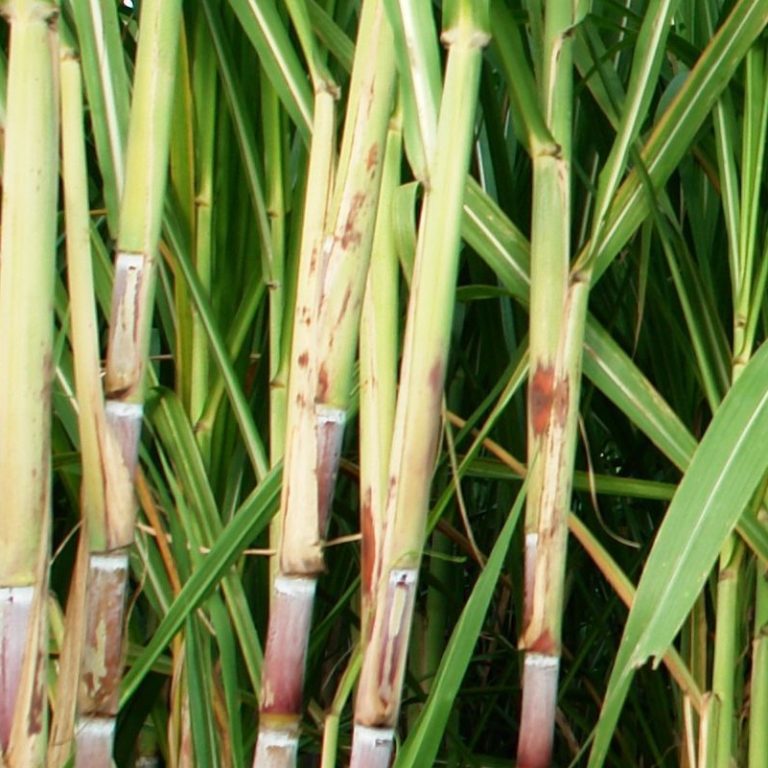
Sugarcane bagasse is the fibrous material left over after sugarcane is processed for sugar production. Sugarcane bagasse is a low cost, high availability feedstock with great potential for ethanol production, especially in tropical countries.
Sugarcane Bagasse PDF (Revised 11-28-2016)
MSW
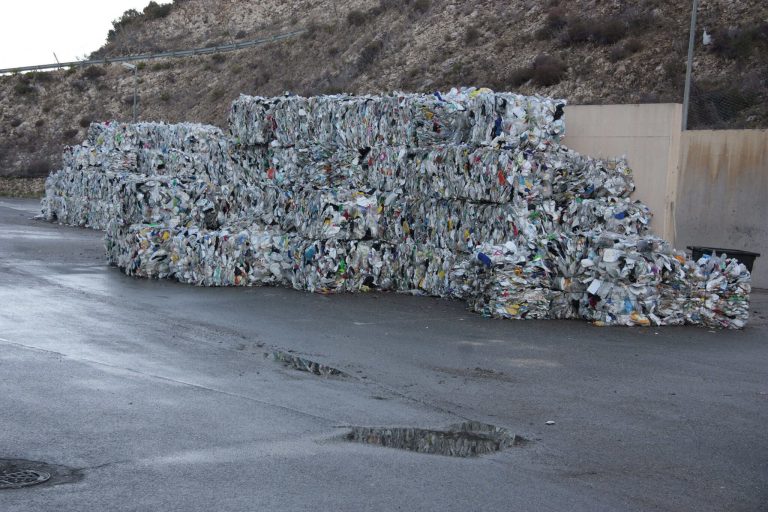
MSW (municipal solid waste, more commonly known as trash or garbage) is a waste type consisting of everyday items that are discarded by the public from residential and business waste streams. MSW is a highly variable waste stream that changes from region to region, season to season and year to year. Of the materials commonly found in MSW, paper, paperboard, wood, food, and yard trimmings represent good sources of lignocellulose that can be used as sugar feedstocks for production of biofuels.
Rice Hulls
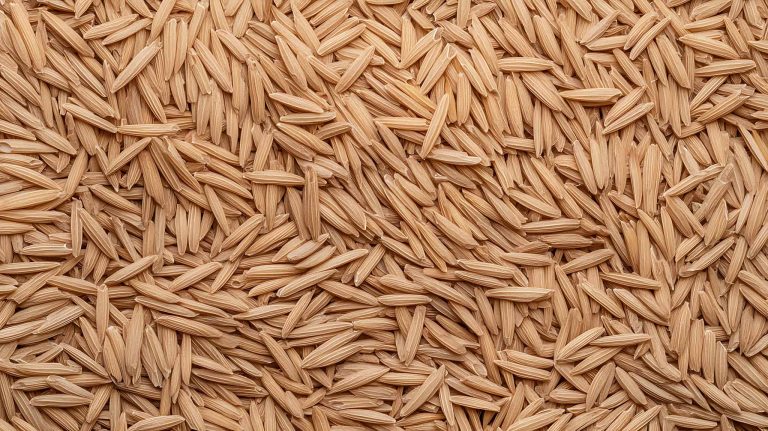
Rice hulls, the protective outer coverings removed during rice milling, are an abundant agricultural by‑product with naturally high silica content. They are lightweight, resistant to moisture absorption, and widely available in regions where rice is processed. These characteristics make rice hulls a useful lignocellulosic feedstock for bioenergy research, particularly in studies involving densification, flowability, and material handling.
*Data Sheet Coming Soon*
Corn Stover
Corn stover is the most common crop for bioenergy research. Corn stover, an agricultural by-product, consists of the leaves and stalks of corn plants left in a field after harvest. It can be harvested with a single piece of equipment for both cutting and baling (single pass), or use a double-pass method that first cuts and drops the stover in windrows in the field and then picks up and bales the windrowed stover, typically introducing more ash from soil.
Corn Stover PDF (Single Pass) (Revised 11-28-2016)
Corn Stover PDF (Multi Pass) (Revised 11-28-2016)
Corn Stover PDF (Ensiled Pass) (Revised 11-29-2016)

Hybrid Poplar
Poplars grow fairly well in the northern, central, and southern United States. Extensive genomic resources and ease of clonal propagation and transformation, will allow the generation of advanced transgenic clones with enhanced traits.
Hybrid Poplar PDF (Revised 1-8-2018)
Lodge Pole Pine
Lodgepole pine is a highly adaptable tree that can grow in many environments, from water-logged bogs to dry sandy soils. Pine is being primarily grown for sawtimber and pulpwood, but they have great potential as an energy crop or in management regimes that produce biomass and other products.
Lodge Pole Pine PDF (Revised 11-28-2016)
Miscanthus
Miscanthus (commonly known as Elephant Grass) is a tall perennial grass that resembles bamboo. It is easy to grow, requires few nutrient inputs, and produces a crop with a high biomass yield and low mineral content. Miscanthus can be grown on lands not suitable for row-crop production.
Miscanthus PDF (Revised 07-10-2019)
MSW
MSW (municipal solid waste, commonly known as trash or garbage) consists of everyday items discarded from residential and commercial waste streams. It is highly variable across regions, seasons, and time. Common components such as paper, paperboard, wood, food, and yard trimmings provide lignocellulosic material suitable for conversion to sugar feedstocks for biofuels.
MRF residuals complement MSW by representing the fraction remaining after recyclable materials are removed, reflecting real-world waste composition influenced by regional sorting practices, contamination, and recycling behaviors.
*Data Sheet Coming Soon*
Rice Hulls
Rice hulls, the protective outer coverings removed during rice milling, are an abundant agricultural by‑product with naturally high silica content. They are lightweight, resistant to moisture absorption, and widely available in regions where rice is processed. These characteristics make rice hulls a useful lignocellulosic feedstock for bioenergy research, particularly in studies involving densification, flowability, and material handling.
*Data Sheet Coming Soon*
Sorghum
Sorghum is a cereal grain that grows tall like corn and can be produced as a quick-growing annual. High-biomass sorghum uses water and nutrient inputs efficiently, is drought resistant, has robust establishment characteristics, and can be produced on lands considered marginal for other crops.
Sorghum PDF (Revised 11-28-2016)
Sugarcane Bagasse
Sugarcane bagasse is the fibrous material left over after sugarcane is processed for sugar production. Sugarcane bagasse is a low cost, high availability feedstock with great potential for ethanol production, especially in tropical countries.
Sugarcane Bagasse PDF (Revised 11-28-2016)
Switchgrass
Switchgrass is a native warm-season perennial grass that can thrive in a variety of climatic conditions and soil types. It can be grown on land that is not suitable for row crop production in either conventional tillage or no-till production systems.
Switchgrass PDF (Revised 11-28-2016)
Wheat Straw
Wheat straw, an agricultural by-product, consists of the dry stalks that remain after the grain and chaff have been removed. It's use as a large-scale biomass power source is increasing in many parts of the world.
Wheat Straw PDF (Revised 11-28-2016)